Hail Damage Roof Repair or Replace: How to Make the Right Call in 2026
Deciding between hail damage roof repair or replace is one of the toughest calls a property owner can face. After a severe storm rolls through East Texas, the damage isn’t always clear-cut, and neither is the solution. Some roofs need a handful of targeted repairs. Others are compromised beyond what patches can fix.
We’ve spent over nine years helping homeowners and business owners across the greater Lufkin area navigate exactly this decision. At Roof Ryders, we believe the right answer starts with an honest inspection and a clear understanding of your options. Here’s what you need to know before committing to either path.
How Hail Damages Your Roof (And Why It’s Not Always Obvious)
Hail doesn’t always punch visible holes through your shingles. In fact, the most costly damage is often the kind you can’t see from the ground.
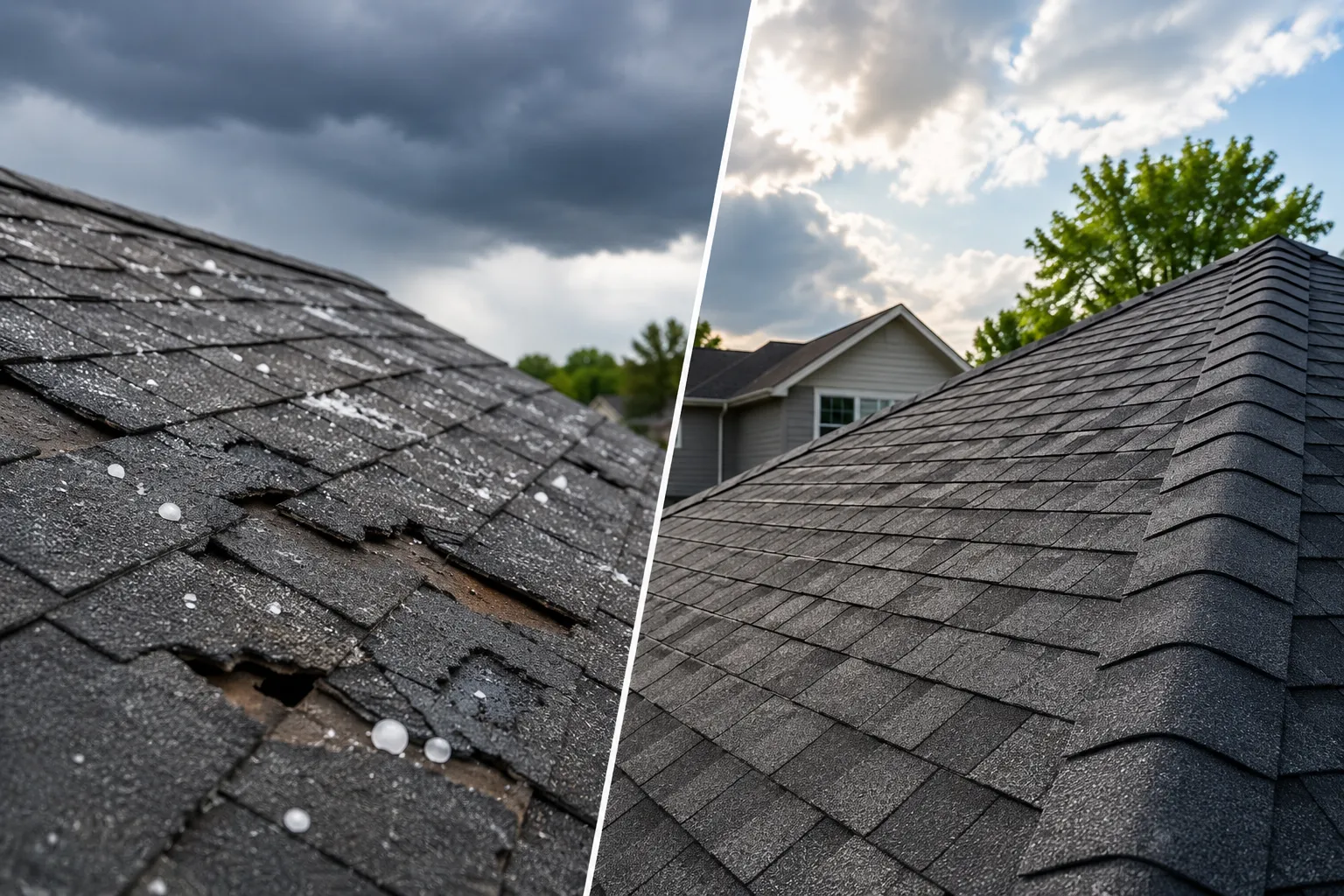
When hailstones strike asphalt shingles, they dislodge the protective granules embedded in the surface. Those granules are your roof’s first defense against UV radiation and moisture. Without them, the underlying mat deteriorates faster, shortening the lifespan of your roof by years.
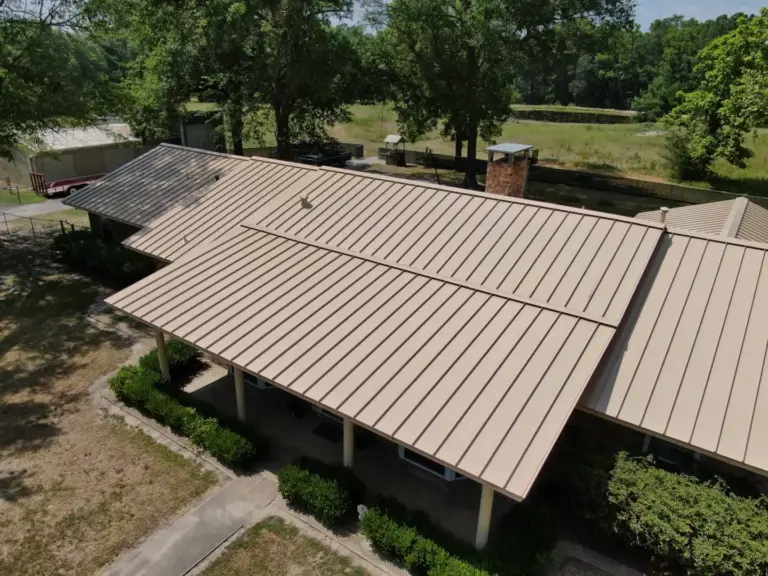
On metal roofing systems, common on commercial buildings here in Lufkin, hail creates dents that compromise the panel’s structural integrity and protective coatings. Even small dents can lead to rust spots and eventual leaks if left unaddressed.
The tricky part is timing. Hail damage often doesn’t cause leaks immediately. It weakens your roof gradually, and by the time water starts dripping into your attic or commercial space, the underlying decking may already be rotting. That’s why we always recommend scheduling a professional inspection within days of a significant hailstorm, not months.
Signs You Need a Roof Repair After a Hailstorm
A roof repair makes sense when the damage is localized and the rest of your roofing system is still in solid condition. Here’s what that typically looks like.
After a storm, check for dented or cracked shingles in isolated areas. You might also notice granule buildup in your gutters and downspouts, a telltale sign that hail has been stripping your shingles. Small dents on metal flashing, vents, or gutters are another indicator that your roof took a hit.
If the damage is confined to one slope or a small section, a targeted repair can restore your roof’s integrity without the cost of a full replacement. This is especially common when newer roofs, those under 10 years old, take a moderate hit. The materials still have useful life left, and replacing the entire system would be wasteful.
We also look at the condition of your roof decking beneath the shingles. If the wood is dry and intact, repair is usually the right move.
When a Full Roof Replacement Is the Better Option
Sometimes repair just isn’t enough. A full roof replacement becomes the smarter investment when the damage is widespread or your roof was already aging before the storm hit.
If hail has impacted more than 30% of your roof’s surface, most manufacturers and insurance adjusters agree that replacement is warranted. Patching large sections creates an uneven surface that’s prone to future leaks and doesn’t carry the same warranty protections as a new installation.
Age matters too. A 15-year-old asphalt shingle roof that takes significant hail damage is nearing the end of its expected lifespan anyway. Investing in repairs on a roof that will need replacing within a few years rarely makes financial sense.
We’ve seen this play out repeatedly with both residential and commercial properties around the Lufkin area. An older roof plus major hail damage almost always equals replacement. And honestly, a new roof with modern impact-resistant shingles or upgraded metal panels offers better protection for the next storm, something worth considering in our part of Texas, where severe weather is just part of life.
Key Factors That Determine Repair vs. Replace
Several variables influence whether hail damage roof repair or replacement is the right path. We evaluate each one during our inspections.
Roof age. A roof with 5-7 years of life left is a strong candidate for repair. One that’s past its expected lifespan is not.
Extent of damage. Scattered, minor hits across a small area point to repair. Widespread damage across multiple slopes points to replacement.
Roofing material. Asphalt shingles are more susceptible to granule loss and cracking from hail. Standing seam metal roofs handle hail better overall but still sustain denting that can compromise coatings.
Previous repairs. If your roof has already been patched multiple times, layering more repairs creates diminishing returns. At some point, the system needs a fresh start.
Insurance coverage. Your policy and deductible play a role. In many cases, insurance will cover a full replacement when the adjuster confirms the damage exceeds a certain threshold. We work directly with insurance companies to ensure property owners get the coverage they’re entitled to.
Navigating the Insurance Claims Process for Hail Damage
Filing a hail damage insurance claim can feel overwhelming, but having the right contractor in your corner simplifies the process significantly.
Start by documenting the damage immediately after the storm. Take photos of your roof from the ground, capture images of dented gutters or siding, and note the date and approximate size of the hailstones. Then contact your insurance provider to open a claim.
Once a claim is filed, your insurer will send an adjuster to assess the damage. This is where having a professional roofer present matters. We meet with adjusters on-site to walk through the damage together, ensuring nothing gets overlooked or undervalued. Our owner, Justin Schlichter, holds a Professional Home Inspector License from the State of Texas (TREC #21950), which gives our assessments additional credibility during the claims process.
We’ve guided hundreds of property owners through insurance claims over the past nine years. Whether your adjuster approves a repair or a full replacement, we make sure the scope of work matches the actual condition of your roof, not just what’s visible from a quick glance.
DIY Inspection vs. Hiring a Professional Roofer
You can spot some signs of hail damage on your own. Dented gutters, granules collecting near downspouts, and cracked siding are all ground-level indicators that your roof likely took damage too.
But a ground-level look only tells part of the story. The real assessment happens on the roof itself, checking for soft spots in the decking, measuring granule loss patterns, and identifying bruised shingles that look intact but have lost their structural bond. This requires experience and the right equipment.
Climbing onto a damaged roof also carries real safety risks, especially on steep pitches or multi-story commercial buildings. A professional inspection eliminates that risk while delivering a detailed, documented report you can use for insurance purposes.
At Roof Ryders, we provide thorough inspections for residential and commercial properties throughout East Texas, including our service areas in Lufkin and Jasper. Call us at 936-225-5571 to schedule yours.
Questions to Ask Before Hiring a Roofing Contractor
Not every contractor who shows up after a hailstorm has your best interest in mind. Storm chasers, out-of-town crews that follow severe weather, are common in East Texas, and they often disappear before warranty issues surface.
Before signing anything, ask these questions:
- Are you licensed and insured in Texas? Verify their credentials independently.
- How long have you operated in this area? Local experience matters. A contractor familiar with Lufkin’s climate, building codes, and common roofing materials will deliver better results.
- Will you provide a written estimate and scope of work? Verbal promises don’t hold up when problems arise.
- Do you handle insurance claims? A contractor who works with adjusters regularly can streamline the process.
- What warranties do you offer on labor and materials? Understand what’s covered and for how long.
We’ve been rooted in this community since 2015. Our office is located at 3213 S Medford Dr #316 in Lufkin, and we stand behind every roof we touch.