
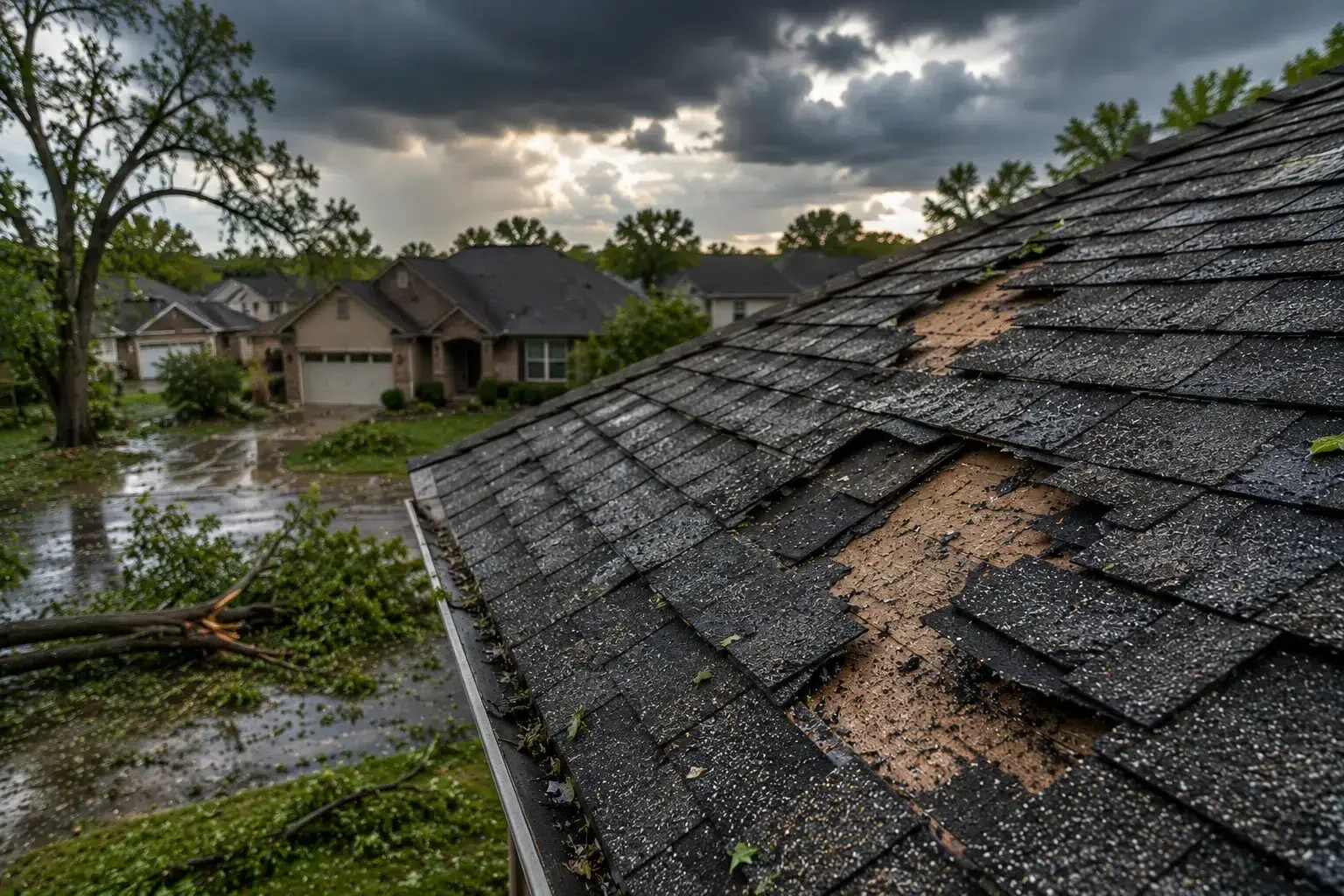
Knowing how to spot roof damage after a Texas storm can save you thousands of dollars in repairs and prevent small problems from turning into major structural failures. Every year, East Texas property owners deal with severe weather, hail, high winds, and torrential rain, that can compromise even well-maintained roofs in a matter of minutes. The trouble is, much of that damage isn't immediately obvious.
At Roof Ryders, we've spent over nine years helping homeowners and business owners across the greater Lufkin area identify and repair storm damage before it spirals out of control. We've seen firsthand how quickly undetected damage leads to costly interior water damage, mold, and compromised building integrity. This checklist will walk you through exactly what to look for, and when it's time to call in the pros.
Why Texas Storms Cause Unique Roof Damage
Texas storms aren't like storms in other parts of the country. The combination of extreme heat, sudden temperature swings, and violent weather systems creates conditions that are uniquely punishing for roofing materials. In East Texas, we regularly see supercell thunderstorms that produce golf ball-sized hail, straight-line winds exceeding 70 mph, and heavy downpours that dump several inches of rain in under an hour.
This matters because heat-aged shingles are more brittle and vulnerable to impact. A roof that handled a storm just fine three years ago may not hold up as well today. Metal roofing panels expand and contract with temperature fluctuations, which can loosen fasteners over time and make them susceptible to wind uplift during severe weather.
Lufkin sits squarely in the path of Gulf moisture systems that fuel some of the most intense storms in the state. Properties near areas like Ellen Trout Park or along the Highway 69 corridor are no strangers to the kind of weather that sends shingles flying. Understanding that our regional climate accelerates wear and tear is the first step in knowing what to look for after a storm passes through.
Visible Signs of Roof Damage You Can See From the Ground
You don't need to climb a ladder to catch many of the early warning signs of storm damage. Start by walking the perimeter of your property and looking up at your roofline. Missing or displaced shingles are the most obvious indicator, if you see bare patches or shingles that appear lifted or curled, that's an area where water can penetrate.
Check your gutters and downspouts next. An accumulation of granules, the small, sand-like particles that coat asphalt shingles, is a strong sign that hail or heavy rain has stripped protective material from your roof. A few granules are normal, but a heavy deposit after a storm signals real damage. Also look for dented or bent gutters, flashing that's pulled away from edges, and debris piled against vents or chimneys.
For commercial properties with flat or low-slope roofs, look for visible pooling water that wasn't there before the storm. Ponding water after a severe event often indicates that drainage systems are blocked or that the roof membrane has shifted.
Hail Damage vs. Wind Damage: How to Tell the Difference
Hail damage and wind damage look different, and knowing the distinction helps when you're filing an insurance claim. Hail damage typically appears as random, circular dents or divots scattered across the roof surface. On asphalt shingles, hail strikes expose the dark underlayment beneath the granule coating. On metal roofs, you'll see small dings and dents, sometimes barely visible from the ground.
Wind damage follows a pattern. It tends to affect edges, ridges, and corners where uplift pressure is greatest. You'll notice shingles that are creased, folded back, or completely torn away in concentrated areas rather than scattered randomly. Wind can also loosen flashing around chimneys, skylights, and roof penetrations. Both types of damage require prompt attention, but distinguishing between them helps your roofing contractor and your insurance adjuster assess the scope of repairs accurately.
Interior Warning Signs That Point to Roof Damage
Sometimes the roof looks fine from outside, but the real evidence of storm damage shows up inside your home or building. After any significant weather event, we recommend checking your attic, ceilings, and upper walls for telltale signs.
Water stains on ceilings are the most common interior indicator. These often appear as yellowish-brown rings or discolored patches, and they may not show up until days after the storm. If you have attic access, grab a flashlight and look for daylight coming through the roof decking, damp insulation, or active drips. Even small amounts of moisture can foster mold growth within 48 hours in our humid East Texas climate.
Peeling paint or bubbling wallpaper on upper-story walls can also point to moisture intrusion from above. On commercial properties, sagging ceiling tiles or musty odors in top-floor offices are red flags that shouldn't be ignored. The key takeaway: if anything looks or smells different after a storm, don't wait. Interior water damage compounds quickly and becomes exponentially more expensive to remediate the longer it goes unaddressed.
How to Safely Inspect Your Roof After a Storm
We understand the impulse to get up on the roof right away, but safety has to come first. Wet or debris-covered roofs are extremely slippery, and storm-weakened decking can give way under your weight. We strongly advise against climbing onto your roof immediately after severe weather.
Instead, use binoculars from the ground to get a closer look at your shingles, flashing, and vents. A smartphone camera with a good zoom lens can help you document visible damage for insurance purposes. Walk the yard and collect any shingles, metal pieces, or other roofing materials that blew off, these can help your contractor assess the extent of the damage.
If you do decide to inspect from a ladder, never go alone. Have someone spot you, wear rubber-soled shoes, and only approach the roofline, don't walk on the surface itself. Document everything with photos and take note of the date and time of the storm. These details matter when you file your claim.
When to Call a Professional Roofing Inspector
Not every storm requires a professional inspection, but several situations should prompt you to pick up the phone. If your area experienced hail larger than one inch in diameter, sustained winds over 60 mph, or if you can see any visible damage from the ground, it's time to call in a licensed professional.
At Roof Ryders, we provide thorough storm damage inspections for both residential and commercial properties. Justin Schlichter's years of construction experience, including work as a project manager for a custom home builder in the Houston area, means our inspections go well beyond a surface-level glance. We check decking integrity, flashing seals, ventilation components, and the condition of underlayment that isn't visible to the untrained eye.
We also recommend calling a professional if your neighbors are getting roof work done after a storm. Storm damage rarely affects just one property, if the house across the street has hail damage, there's a strong chance yours does too. You can reach our team at 936-225-5571 or visit us at our Lufkin location on South Medford Drive to schedule a free inspection.
Steps to Take After You Discover Storm Damage
Once you've identified roof damage, whether from your own ground-level inspection or a professional assessment, taking the right steps in the right order protects both your property and your wallet.
Document everything first. Photograph all visible damage from multiple angles, including close-ups and wide shots that show context. Note the date the storm occurred and the date you discovered the damage. This documentation is critical for your insurance claim.
Contact your insurance company promptly. Most Texas homeowners policies have specific timelines for reporting storm damage. Delays can result in reduced payouts or denied claims. Have your photos and notes ready when you call.
Arrange temporary protection if needed. If your roof has active leaks or exposed areas, emergency tarping prevents further water intrusion while you wait for permanent repairs. We offer emergency tarping services and can typically respond the same day.
Get a professional estimate before authorizing repairs. A detailed, written estimate from a reputable local roofing contractor gives you leverage in negotiations with your insurance adjuster. Be cautious of storm chasers, out-of-town contractors who show up after major weather events, offer suspiciously low bids, and disappear before warranty issues surface.