
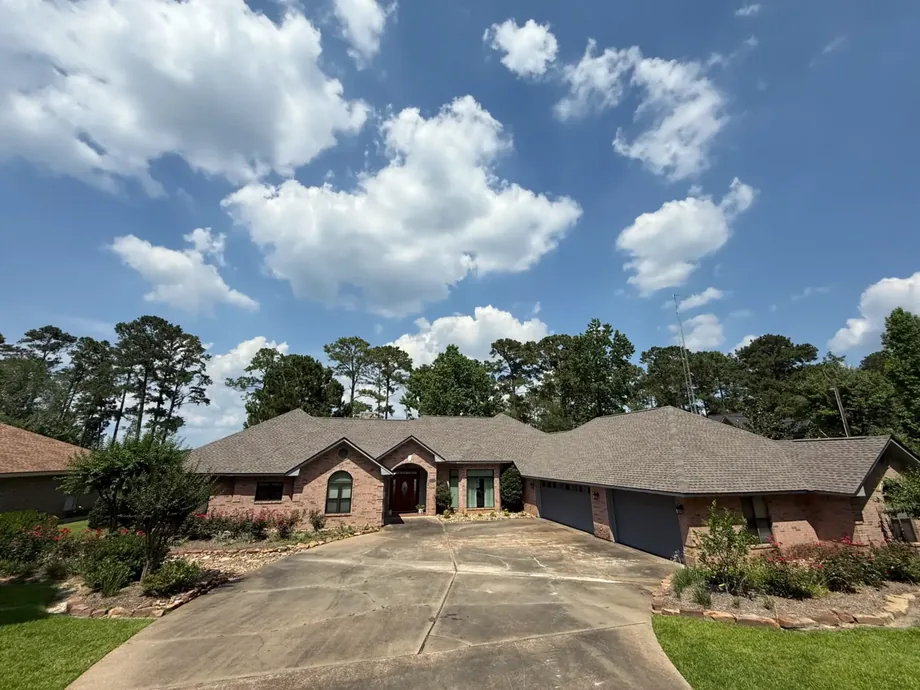
If your roof took a hit from a Texas storm, you generally have about one year from the date of loss to file a roof claim in Texas, but the exact deadline depends on your policy. At Roof Ryders, we've helped property owners across the greater Lufkin area navigate these deadlines for over nine years. Miss the window, and even obvious damage can go unpaid. This guide breaks down the timelines, the fine print, and the steps you need to take to protect your coverage in 2026.
Understanding the Texas Roof Claim Deadline
Most Texas homeowners policies set a contractual claim-filing deadline of 12 months from the date of loss. That means you generally have about one year from the storm or damaging event to notify your insurer and open a claim.
But the Texas roof claim deadline isn't the same for every policy. Some carriers write shorter windows of six months, while others extend up to two years. The only way to know your exact deadline is to read your specific policy language.
We've seen homeowners assume they had plenty of time, only to learn their coverage barred a late claim. The safest move is simple: report damage as soon as you notice it, well before any deadline forces your hand.
The Roof Claim Statute of Limitations in Texas
The roof claim statute of limitations in Texas is separate from your policy's filing deadline, and confusing the two can cost you coverage. For property damage lawsuits, the Texas Civil Practice & Remedies Code provides a two-year statute of limitations from the date of damage.
For insurance-related lawsuits, most policies include a contractual suit-limitation clause. Under Texas law, this clause must give you at least two years and one day from the date of loss to file suit.
Here's the key distinction: the statute of limitations governs how long you have to sue your insurer if they mishandle a claim. It does not extend the deadline to first report your damage. You must still meet the notice-of-loss deadline in your policy.
Insurance Policy Time Limits vs. State Law
Policy notice-of-loss deadlines, which typically run from 90 days to one year, are enforceable in Texas. Miss one, and your insurer can legally bar coverage for that loss.
State law, on the other hand, sets how long you have to sue if the insurer denies or mishandles a valid claim. Depending on the statute and your contract, that window is usually two to four years. Think of it this way: the policy controls when you must report, and the law controls when you must litigate.
Key Factors That Affect Your Filing Window
Your exact filing window depends on three main factors. First, your policy language matters most. The notice-of-loss clause may require reporting within 90 to 180 days, or it may allow a full year.
Second, the type of damage affects how insurers treat your claim. Sudden storm or hail damage is far easier to prove than gradual wear. When damage is reported late, insurers often argue it resulted from wear and tear rather than a covered event.
Third, watch for policy endorsements. Add-ons and riders can modify your standard deadlines in either direction, so never rely on general assumptions.
How Storm Damage and Hail Claims Change the Timeline
Many Texas carriers apply one-year limits specifically to hail and wind claims. Because East Texas sees frequent severe weather, these storm-specific clauses are common in Lufkin-area policies.
Some policies go further and require notice within 90 to 180 days for storm events. After a major hailstorm rolls through Angelina County, that clock starts immediately. We always recommend scheduling an inspection right after a storm, even if your roof looks fine from the ground. Hidden hail bruising and lifted shingles often reveal themselves only on closer inspection.
Steps to File Your Roof Claim Before the Deadline
Filing early and thoroughly gives you the strongest claim. Follow these steps to protect your coverage before any deadline passes.
- Document the event. Record the storm date and take clear photos and videos of the damage. Save receipts for any emergency repairs or tarping.
- Review your policy. Locate your notice-of-loss and claim-filing deadlines so you know your exact window.
- Notify your insurer promptly. Ideally, report within 30 to 60 days of the loss. Sooner is always better.
- Open a claim and get a claim number. Then schedule the adjuster inspection.
- Keep records. Save all communications, estimates, and inspection reports in one place.
A professional inspection strengthens your documentation. Our team can identify and document storm damage the way adjusters expect to see it. You can contact Roof Ryders or call 936-225-5571 to schedule an inspection before your deadline runs out.
What Happens If You Miss the Filing Deadline
If you miss the filing deadline, your insurer can deny the claim for late notice, even when the damage is obvious. This is the most common and most avoidable reason valid roof claims fail in Texas.
Beyond outright denial, you may receive only partial payment. Insurers frequently reclassify late-reported damage as wear and tear, which most policies exclude from coverage.
You may still be able to sue for bad-faith handling or contract issues within the broader statute of limitations. But if coverage for that specific loss is contractually barred, litigation rarely recovers it. The lesson is straightforward: deadlines protect you only when you meet them.
Because the stakes are high, don't wait to act after a storm. A prompt, well-documented claim is your best defense against a denial. If you're unsure about your timeline or your damage, reach out to our team for a professional assessment.
Protect Your Roof and Your Coverage in East Texas
Time is the single biggest factor in a successful roof claim. Most Texas policies give you about one year to file, but storm and hail clauses can shorten that window to as little as 90 days. Knowing your deadline and acting fast makes the difference between a paid claim and a denied one.
Roof Ryders has served the greater Lufkin area for over nine years, with a second location in Jasper. From storm inspections and documentation to full shingle and metal roof replacements, we help residential and commercial owners protect both their property and their coverage.